Shipping Is Changing Fuels. The Question Is Who Supplies It.
Shipping Is Changing Fuels. The Question Is Who Supplies It.
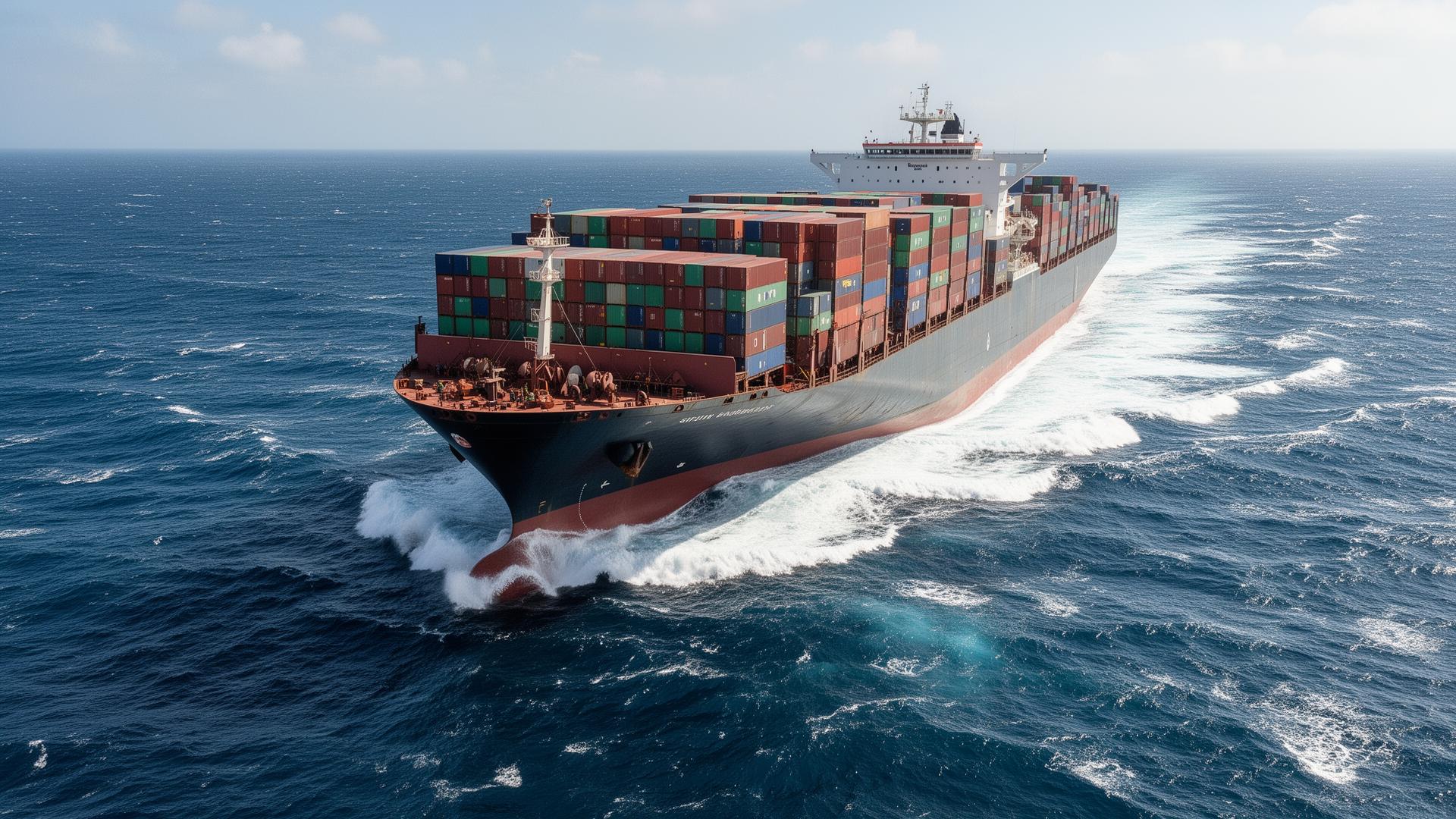
Global shipping moves the overwhelming majority of world trade, and it is in the middle of the largest fuel change in its modern history.
Major carriers have placed orders for dual-fuel methanol vessels. Ports are building bunkering capability. Regulators in Europe and at the international level have set emissions trajectories that conventional bunker fuel cannot meet. The demand signal is not theoretical. It is on order books.
The Supply Side Has Not Caught Up
Vessel capacity is being built faster than fuel capacity. Announced green and e-methanol production remains small relative to what a converted fleet would consume, and a meaningful share of announced projects sit outside the United States.
That imbalance is the commercial opportunity. Carriers need long-term, contracted supply from credible producers, and there are not many of them.
Marine Is the Anchor, Not the Ceiling
Methanol is not a single-market product. It is a chemical feedstock for plastics, resins, and industrial intermediates. It is used in road transport in some markets, in power generation, and as a hydrogen carrier that is far easier to store and move than hydrogen itself.
A producer with contracted marine offtake and access to those adjacent markets has a materially stronger commercial position than one dependent on a single buyer class.
The Case for Producing It Here
The United States has the natural advantages this product requires: abundant power, existing Gulf Coast chemical and export infrastructure, deepwater ports, and an experienced industrial workforce.
If those advantages are not used, the outcome is predictable. America imports a strategically important fuel it was well positioned to produce, and the jobs and margin sit somewhere else.
Where Nitaura Sits
Nitaura Fuels is developing e-methanol production on the Texas Gulf Coast, designed for marine and industrial buyers who need verified low-carbon supply under long-term contract.
The broader point is the one we keep returning to. Power, equipment, and fuels have to be built domestically and at scale if the United States intends to supply the world rather than buy from it.
For media, marketing, or partnership inquiries